
Families who own several homes rarely set out to insure them badly. It happens one purchase at a time: the Lisbon apartment insured through the bank that lent on it, the Algarve villa with the policy the previous owner had, the house in Mallorca arranged by the Spanish lawyer at completion, the yacht insured in the country where it was bought, the art scheduled on whichever policy was renewing that month. Five years later there are five insurers, five renewal dates and five different ideas of what the family owns.
What fragmentation costs
- Different bases of value. One house insured at rebuild cost, another at the purchase price, contents estimated, a painting at the value of a 2018 invoice. Under the proportional rule that applies in both Portugal and Spain when a sum insured is too low, the gap is paid by the family.
- Collections that move. Jewellery, watches and art travel between homes and abroad. A policy that covers them only at one address leaves them uninsured in transit and at the other house.
- Liability that does not match. Family liability limits of a few hundred thousand euros on one policy and several million on another, with staff, guests, pools, dogs and a tender boat in between.
- Unoccupancy. Second homes empty for months fall under clauses that suspend or restrict cover after a period without occupation, unless the policy is written for how the house is actually used.
- Claims with two insurers. A fire that damages a house and the collection inside it can involve two policies, two adjusters and two sets of excesses.
Ask for a quote — it takes under a minute
Tell us the essentials. We reply in writing within 24 working hours and only ask for more if we need it.
What a coordinated programme looks like
The high-value household market — insurers and specialist underwriters with an appetite for larger homes and collections — writes policies that can include several residences, their contents and valuables in one contract, when the insurer underwrites each location. Where Portugal and Spain cannot sit on one policy, two policies can be written on the same basis, with the same limits, the same definitions and the same renewal date.
The elements we look for are the same in both countries:
- Buildings at a verified rebuild cost, with no proportional reduction where the sum insured was confirmed by survey.
- Contents and valuables at agreed value, with worldwide cover for items that travel.
- Family liability at a limit that reflects the household — staff, guests, sport, boats and letting where relevant.
- Conditions for unoccupancy, security and alarms that are written for how each home is used.
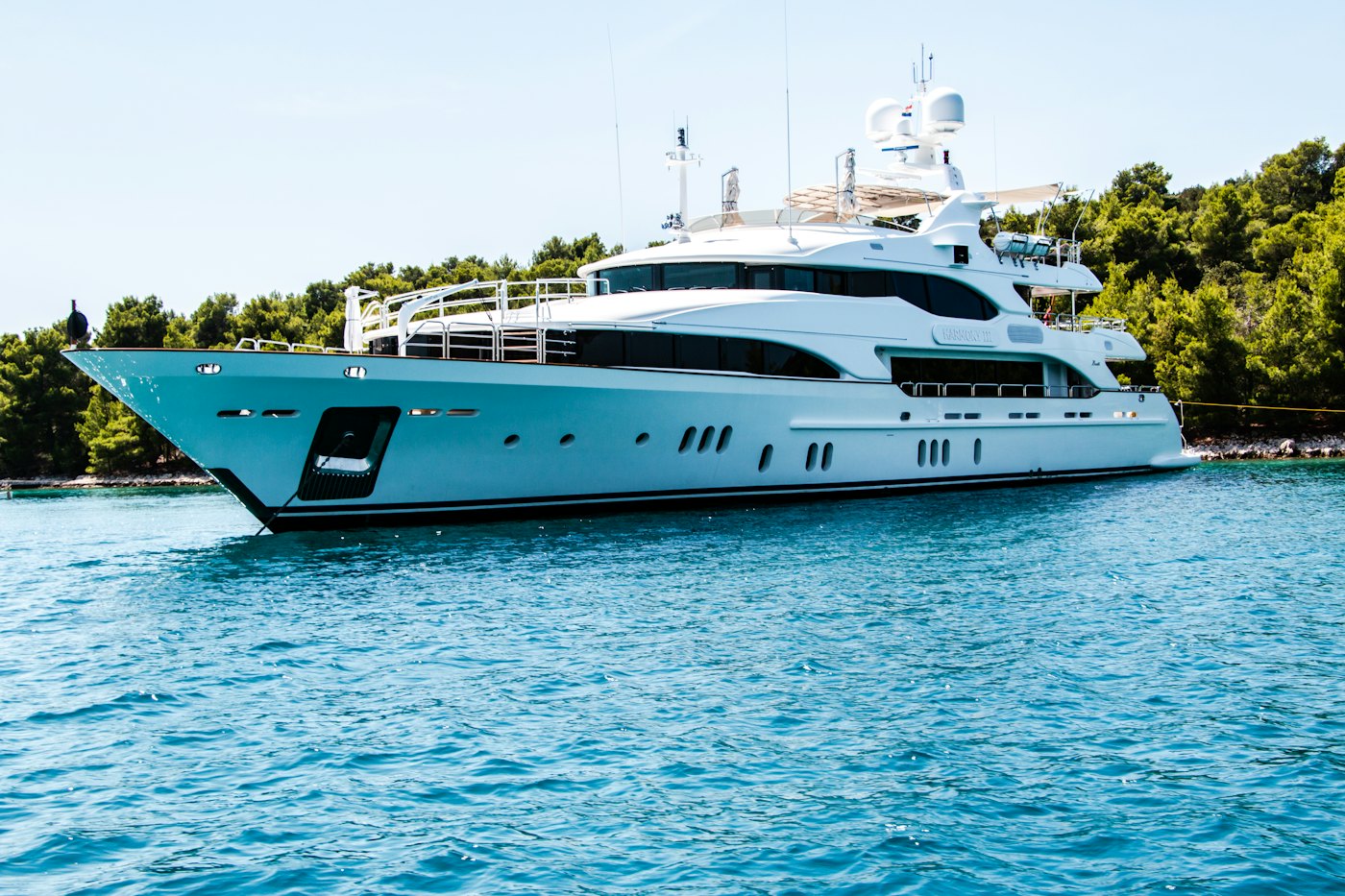
The yacht and other “big” assets
Yachts are insured in the marine market under hull and machinery and protection and indemnity cover, with navigation limits, crew and charter conditions of their own. They rarely sit on the household policy, but they can be aligned with it: the same adviser, compatible liability limits, and no gap for the tender, the toys or the guests who move between the boat and the villa. Private aircraft, classic cars and rural estates follow the same logic — specialist policies, coordinated rather than combined.
Portugal and Spain: what changes
In Spain, extraordinary risks such as flood and earthquake are covered by the Consorcio de Compensación de Seguros through a surcharge on property policies; in Portugal, earthquake is an optional cover that has to be chosen and priced. Spanish and Portuguese policies are issued in their own language and under their own law. A coordinated programme does not erase those differences — it makes them visible and decides each one deliberately.
For a family office, the programme also needs an owner: someone who keeps the schedule of assets and values current, tells the adviser when a house is let, a painting is lent or a boat changes flag, and receives one renewal report instead of five.
Frequently asked questions
Can homes in Portugal and Spain be on the same policy?
Often, yes, in the high-value household market, when the insurer underwrites each location. When that is not possible, two policies can be written on the same basis and renewal date so that they behave as one programme.
Is the yacht part of the same programme?
The yacht is normally insured under a separate marine policy, because hull, machinery, crew and navigation are a different class of risk. It can and should be coordinated with the household programme, especially for liability and guests.
What is agreed value?
A value agreed with the insurer before any loss, usually supported by a valuation, which is paid in the event of a total loss without further negotiation. It is the normal basis for art, jewellery and collections in a private client programme.
How often should values be reviewed?
Rebuild costs and collections should be reviewed at least every few years, and after any significant purchase, renovation or market movement. A coordinated programme makes that a single annual exercise.
See your homes, yacht and collection as one programme
Send us the policies in force for each property and asset. We reply in writing with the bases of value, the gaps between policies and how a coordinated programme would work.
This article is general information and does not constitute personalised, legal or tax advice. Cover, limits and exclusions are only those of the policy actually issued, after underwriting. Adler & Rochefort is a commercial brand of Ownizo, Unipessoal Lda., mediador registado na ASF n.º 425591790/3.
More on this subject: Family office insurance in Portugal and Spain · Underinsurance in Portugal: the proportional rule explained